Friday April 24, 2026, 7pm
The AAIA Hostel, Promachou 2, 11742 Makriyanni, 4th floor
Please, register by sending an email to aaia@otenet.gr
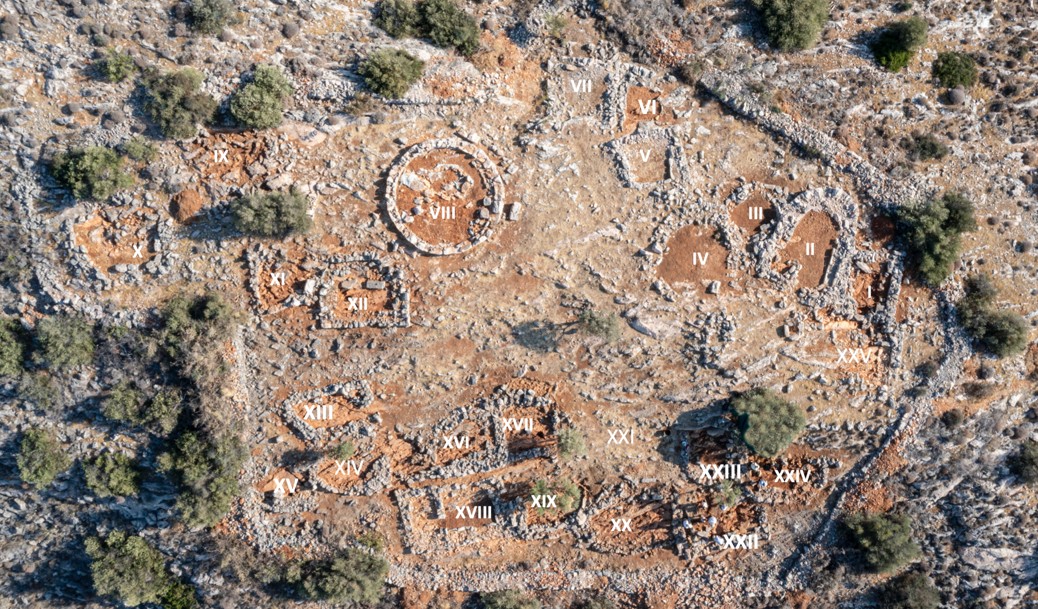
Our understanding of the past is always predicated on previous interpretations of evidence. This talk presents three case studies tha demonstrate the importance of evaluating where our interpretations come from. These are the Early Iron Age cases of the settlement at Skala Oropos, the so-called “Sacred house” of the Academy of Plato, and the alleged settlement at the hill of Lathouriza in Vari. Reconsideration of past understandings of all three sites has led to drastic reappraisals of the data and new interpretations, which together deconstruct to a certain degree the established opinions concerning the social and religious organization of Early Iron Age Attica.
2025 AAIA GALE VISITING PROFESSOR
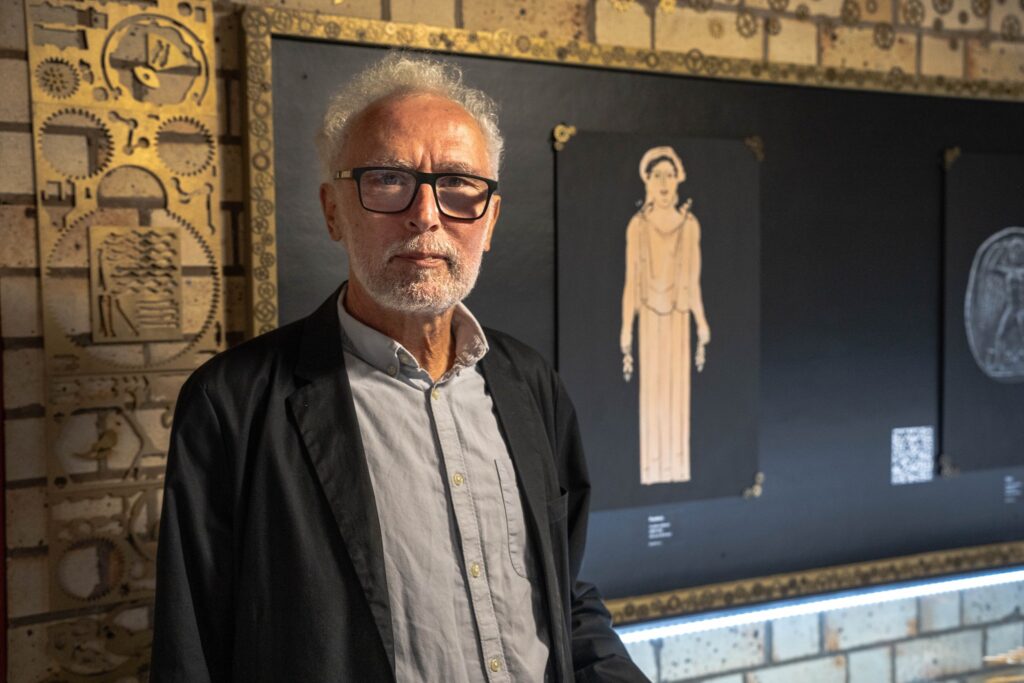
Professor Alexander Mazarakis Ainian, University of Thessaly
Alexander Mazarakis Ainian was born in Athens in 1959. He studied History of Art and Archaeology at the Free University of Brussels and completed his PhD at the University of London (UCL) with a scholarship from the “A. Onassis” Public Benefit Foundation. He initially worked as an archaeologist at the Greek Ministry of Culture. He taught for eight years at the Department of History of the Ionian University and since 1999 he has been Professor of Classical Archaeology at the University of Thessaly. He has also taught at the National and Kapodistrian University of Athens; National Technical University of Athens; Paris I/Panthéon-Sorbonne; Ecole Pratique des Hautes Etudes en Sciences Sociales (Paris); UCL-Louvain-la-Neuve (Belgium); and Paris IV-Sorbonne. His field projects include Skala Oropos and Vari in Attica, Kythnos in the Cyclades, Soros in Magnesia, and Kefala on Skiathos. He has published numerous books and studies on Early Iron Age architecture in Greece, Homeric questions, and the results of his excavations. He was awarded the prestigious Chaire Internationale de Recherche Blaise Pascal in 2012 by the French state. In 2016 he was elected Corresponding Member of the Académie des Inscriptions et Belles-Lettres in Paris, and in 2024 he received an honorary doctorate from Paris 1/Panthéon-Sorbonne.